
It is one of the first questions travelers ask us: is Morocco safe? The short answer is yes, for most visitors, if you use the same common sense you would use in any big tourist destination. Millions of tourists visit every year, and most trips go without any problem. Here is an honest guide from our local team, with what to watch out for and how to avoid the most common issues.
Quick answer
- Overall: Morocco is a popular and generally safe destination. The most common problems are small: scams, pushy sellers and pickpockets in busy places.
- Official advice: the U.S. State Department rates Morocco at Level 2, “Exercise increased caution”, mainly because of the risk of terrorism. The UK Foreign Office does not advise against travel to Morocco. Always check your own government’s advice before you travel.
- Biggest real risk: road travel. Choose an experienced driver, especially on mountain roads.
Official travel advice
Government travel advice changes over time, so check the latest version before your trip:
- U.S. State Department: Morocco travel advisory
- UK Foreign Office: Morocco travel advice
- Government of Canada: Morocco travel advice
Common issues and how to avoid them
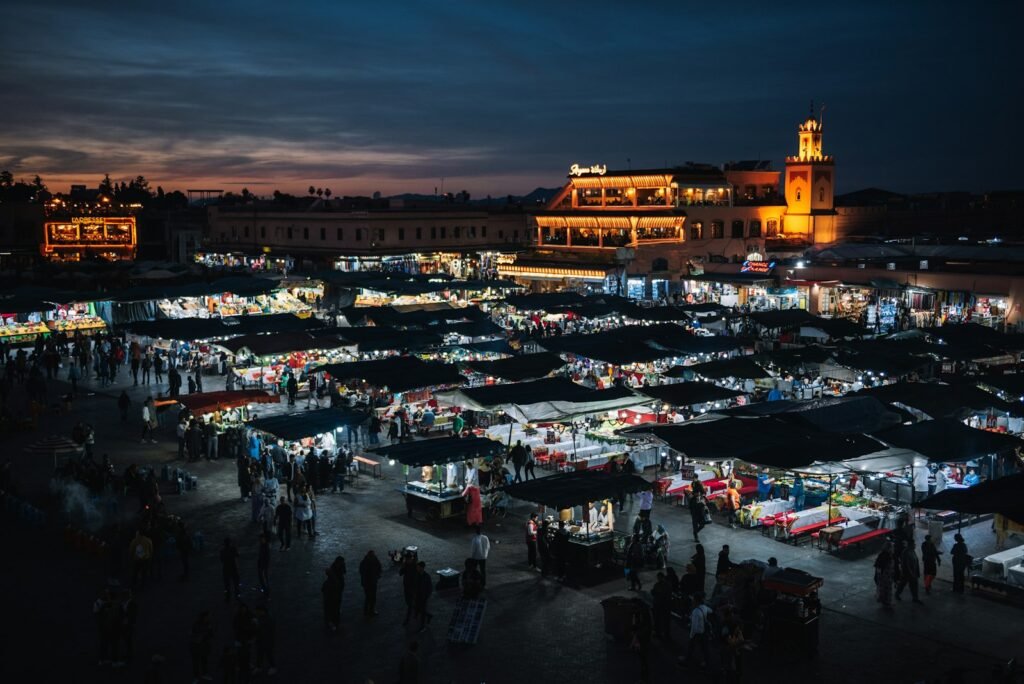
Fake guides and “helpful” strangers. In the medinas of Marrakech and Fes, people may offer to show you the way, then ask for money or take you to a shop. Politely say “no, thank you” and keep walking. If you want a guide, book an official licensed guide through your hotel or tour company.
Pushy sellers in the souks. Bargaining is normal, but you never have to buy. Agree on a price before you accept a service, a taxi ride or a henna tattoo.
Pickpockets. Keep your phone and wallet in a front pocket or a closed bag in crowded places like Jemaa el-Fna square.
Taxis. In cities, ask the driver to use the meter in small taxis, or agree on the price before you get in.
Is Morocco safe for women?
Many women travel in Morocco, alone or in groups, and have a great experience. Unwanted comments in the street can happen, especially in busy medinas. Most of the time, ignoring them and walking with confidence works best. Wearing loose clothes that cover the shoulders and knees helps you get less attention and is respectful of local culture. A private tour or a trusted driver makes traveling more relaxed.
Is the Sahara desert safe?
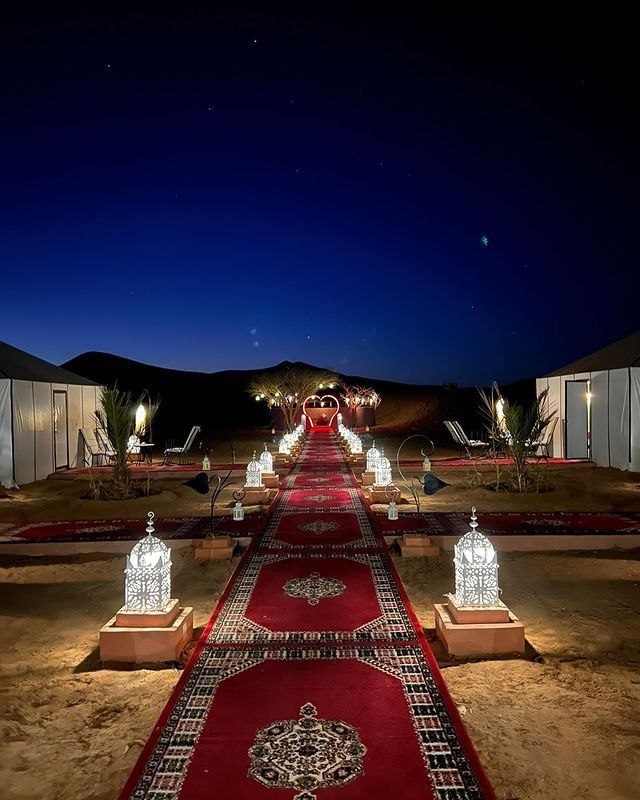
Yes, the desert around Merzouga is a calm and welcoming area, and it is one of the most visited places in Morocco. The real risks are the heat and getting lost in the dunes. Never go into the dunes alone, always travel with a local guide, drink plenty of water and protect yourself from the sun. Read more in our guide to the best things to do in Merzouga.
Road safety
Roads between the big cities are good, but mountain roads like the Tizi n’Tichka pass have many curves, and some drivers take risks. If you are not used to driving in Morocco, a private driver is the safest choice. Avoid driving at night in the countryside.
Health tips
- Drink bottled water.
- Eat in busy places where the food is freshly cooked.
- Get travel insurance that covers medical care.
- In summer, avoid the midday sun in the desert.
Emergency numbers in Morocco
- Police (in cities): 19
- Gendarmerie (outside cities): 177
- Ambulance and fire: 15
Our advice
Morocco is a welcoming country, and Moroccan hospitality is real. Plan with a trusted local team, keep an eye on your belongings in crowded places, and you will be free to enjoy the trip. Planning a full week? See our 7 days in Morocco itinerary and our FAQ.
Travel with a local team
We are a local team based in Merzouga. Our drivers know the roads, and we are reachable on WhatsApp during your whole trip. See our tours or message us on WhatsApp.

 English
 French